

A glimpse into our research topics

Laboratory preparation of mosquitoes for genetic screening of pathogens
(Garamszegi László Zsolt)
(Garamszegi László Zsolt)

Preparing for sampling at an alkaline lake – Tamás Felföldi and his colleagues study the composition of microbial communities in aquatic habitats, focusing on the metabolic roles and biological interactions of individual taxa. Their research combines classical microbiological techniques with genomic and network analysis methods.

The effects of digital device use on children's cognitive development are available as a potential topic for doctoral research. (Konok Veronika)
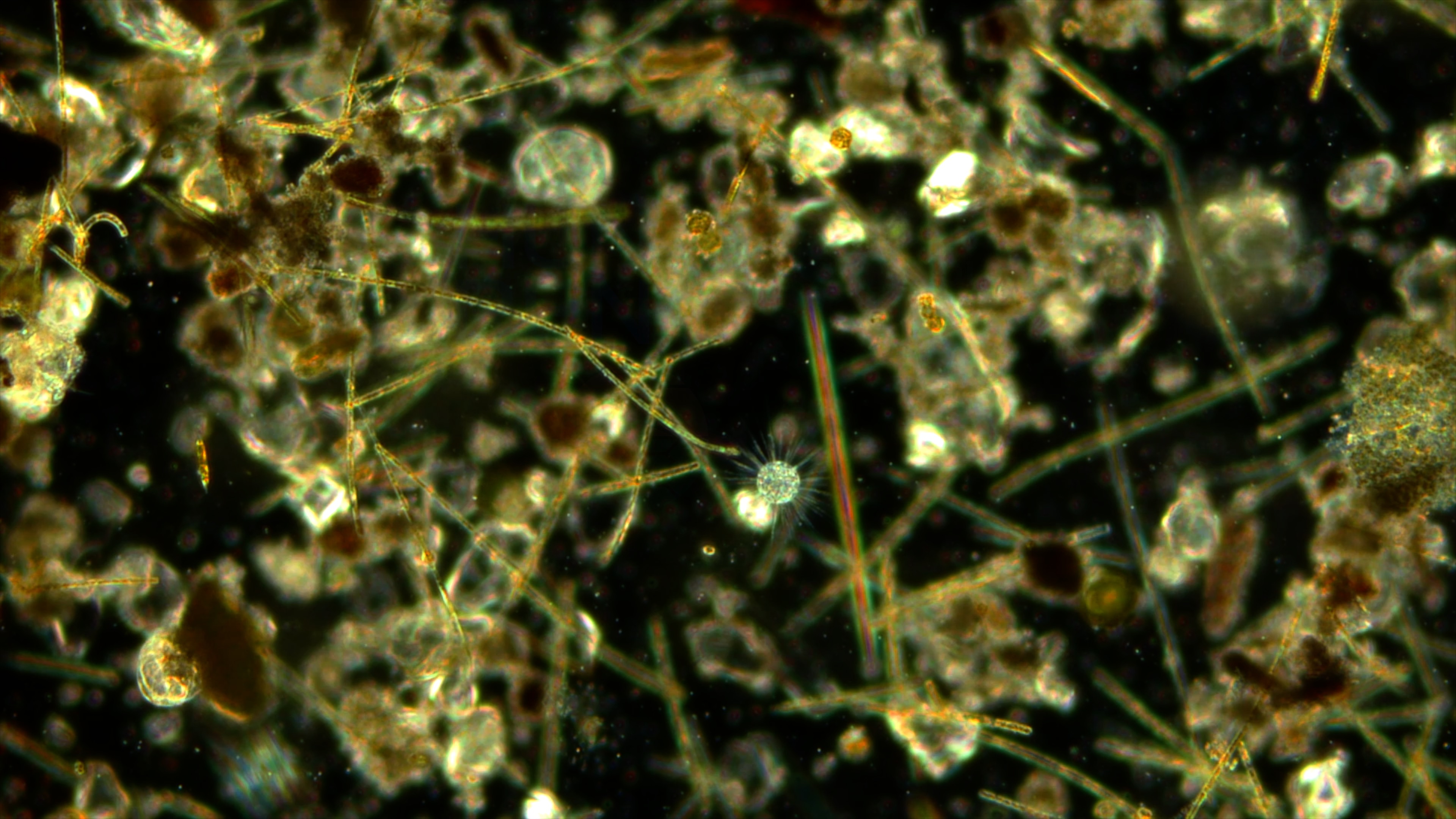
Biological diversity of suspended microscopic plant and animal plankton in large rivers — with a focus on the Danube in Hungary — and the effects of this diversity on ecosystem functioning
(Abonyi András)
(Abonyi András)
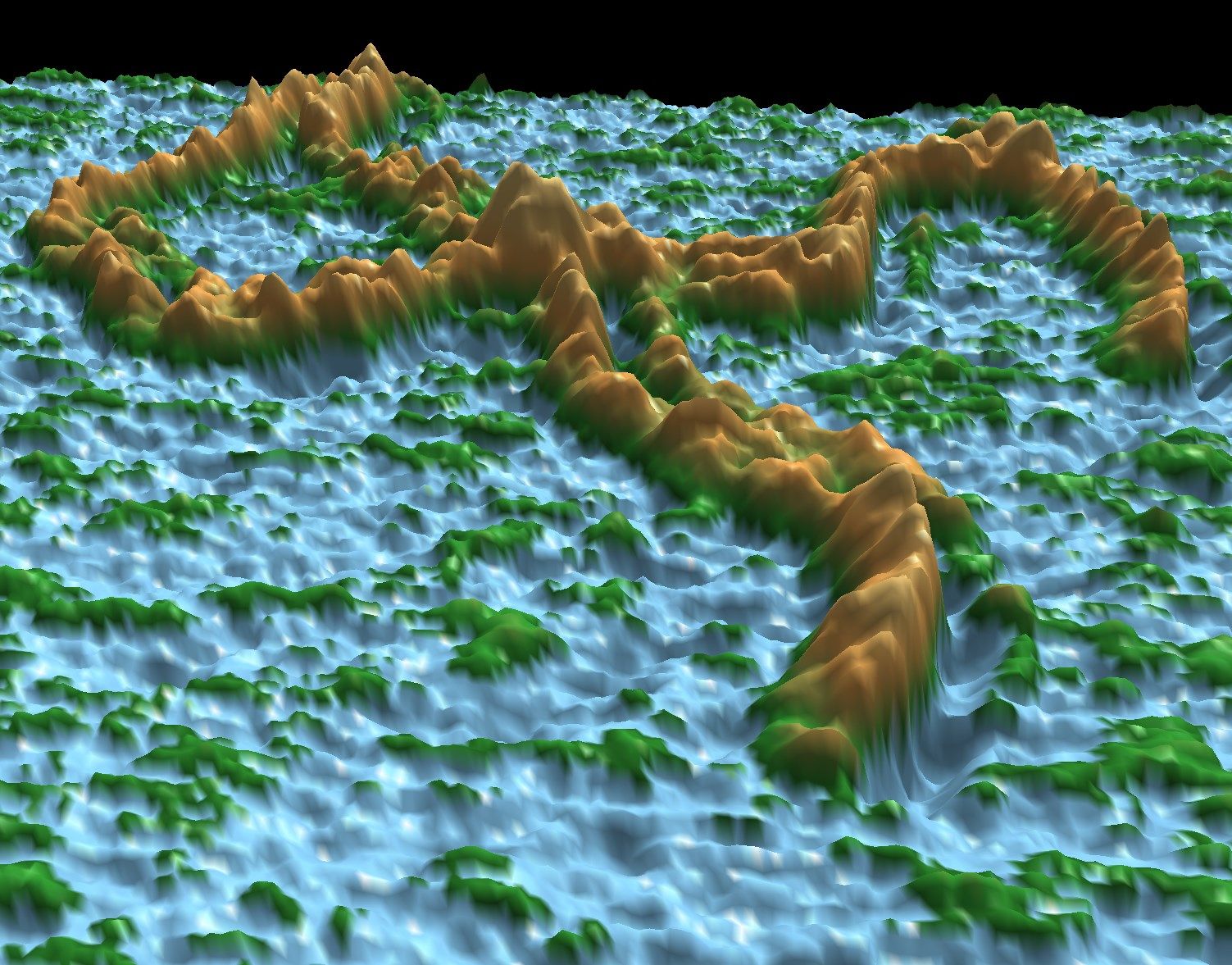
Atomic force microscopic image of a four-armed single DNA molecule containing a Holliday junction. (Kovács Mihály)

One-month-old wild-type (Col) and gene knockout mutant Arabidopsis thaliana plants grown in hydroponic culture (1/4 MS salts, pH = 5.6). Control: A, C; treated with 2 mM NaHCO₃: B, D. Some gene knockout mutants (AtBCA4-1, AtSultr1;2-1) show a reduced growth-promoting response to 2 mM NaHCO₃ compared to the wild type, suggesting that the missing genes may play a role in inorganic carbon uptake/fixation via the roots or be essential for growth. More information here:
https://www.frontiersin.org/journals/plant-science/articles/10.3389/fpls.2024.1448432/full
https://www.frontiersin.org/journals/plant-science/articles/10.3389/fpls.2024.1448432/full

PhD candidates will study the genetic underpinning of innate behavior in paradise fish.
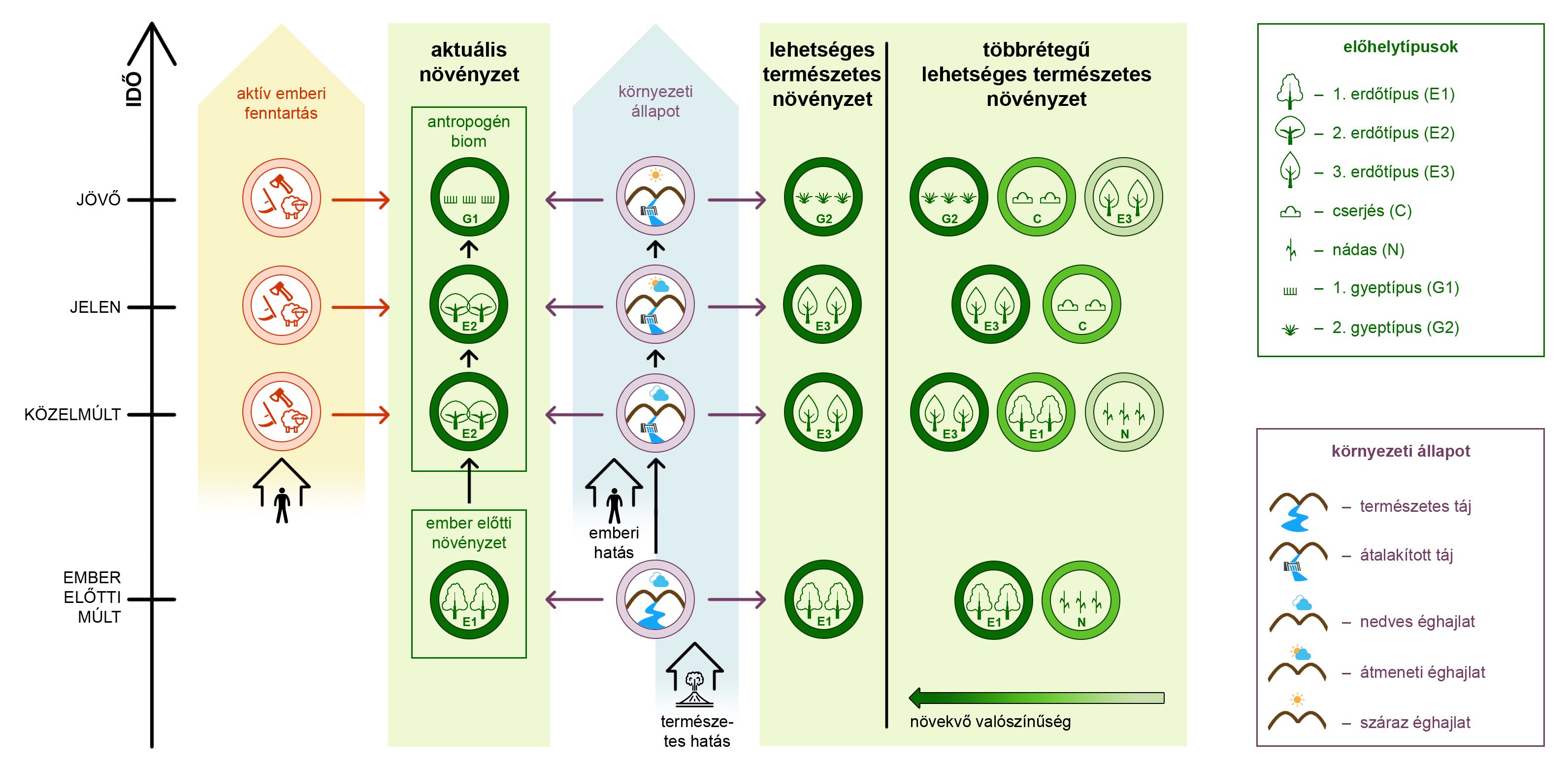
Exploring the current and future spatial patterns of multiple potential natural vegetation (MPNV) and comparing them with the actual vegetation serves conservation and restoration ecological purposes.
(Bede-Fazekas Ákos)
(Bede-Fazekas Ákos)

Starch-storing plant plastid (amyloplast) with white starch granules under transmission electron microscopy (TEM).
(Solymosi Katalin)
(Solymosi Katalin)

Desktop and synchrotron radiation based X-ray fluorescence imaging techniques on tissue and cell levels, respectively, provide essential information on the essential transition metal homeostasis of the cells.
(Solti Ádám)
(Solti Ádám)

Professor Tamás Székely's research group investigates the evolution of reproductive strategies using phylogenetic, field biology, and behavioral ecology approaches.
Photo: pied avocets. Made by Dr Kovács Gábor
Photo: pied avocets. Made by Dr Kovács Gábor

Researchers at the Department of Animal Biotechnology, MATE Institute of Genetics and Biotechnology, are developing precision breeding technologies that enable efficient and safe targeted genetic modifications in mammals and birds. These technologies aim to produce organisms better adapted to changing environmental conditions, significantly reducing the time required compared to traditional breeding methods.
(Gocza Elen)
(Gocza Elen)

Holocene paleoenvironmental and paleoclimate research in high mountain regions
Topic of Eniko Magyari
Topic of Eniko Magyari

Study of social behaviors and their disorders in birds
Effects of digital device use in young children on the development of their social and other skills
(Pogány Ákos)
Effects of digital device use in young children on the development of their social and other skills
(Pogány Ákos)

Dorottya Ujfalussy and József Topál’s research topics are related to the comparative investigation of the behavioral and neurocognitive aspects of word learning.

The lectin pathway forms one of the first lines of defense against infections during the innate immune response. The lectin pathway proteases (MASP-1, -2 and -3) have many roles outside and within the complement system, which is vital for immune homeostasis and it is involved in the pathogenesis of various diseases
Topic of Dr. Gál Péter and Dr. Dobó József
Topic of Dr. Gál Péter and Dr. Dobó József
Laboratory preparation of mosquitoes for genetic screening of pathogens
(Garamszegi László Zsolt)
(Garamszegi László Zsolt)
Preparing for sampling at an alkaline lake – Tamás Felföldi and his colleagues study the composition of microbial communities in aquatic habitats, focusing on the metabolic roles and biological interactions of individual taxa. Their research combines classical microbiological techniques with genomic and network analysis methods.
The effects of digital device use on children's cognitive development are available as a potential topic for doctoral research. (Konok Veronika)
Biological diversity of suspended microscopic plant and animal plankton in large rivers — with a focus on the Danube in Hungary — and the effects of this diversity on ecosystem functioning
(Abonyi András)
(Abonyi András)
Atomic force microscopic image of a four-armed single DNA molecule containing a Holliday junction. (Kovács Mihály)
One-month-old wild-type (Col) and gene knockout mutant Arabidopsis thaliana plants grown in hydroponic culture (1/4 MS salts, pH = 5.6). Control: A, C; treated with 2 mM NaHCO₃: B, D. Some gene knockout mutants (AtBCA4-1, AtSultr1;2-1) show a reduced growth-promoting response to 2 mM NaHCO₃ compared to the wild type, suggesting that the missing genes may play a role in inorganic carbon uptake/fixation via the roots or be essential for growth. More information here:
https://www.frontiersin.org/journals/plant-science/articles/10.3389/fpls.2024.1448432/full
https://www.frontiersin.org/journals/plant-science/articles/10.3389/fpls.2024.1448432/full
PhD candidates will study the genetic underpinning of innate behavior in paradise fish.
Exploring the current and future spatial patterns of multiple potential natural vegetation (MPNV) and comparing them with the actual vegetation serves conservation and restoration ecological purposes.
(Bede-Fazekas Ákos)
(Bede-Fazekas Ákos)
Starch-storing plant plastid (amyloplast) with white starch granules under transmission electron microscopy (TEM).
(Solymosi Katalin)
(Solymosi Katalin)
Desktop and synchrotron radiation based X-ray fluorescence imaging techniques on tissue and cell levels, respectively, provide essential information on the essential transition metal homeostasis of the cells.
(Solti Ádám)
(Solti Ádám)
Professor Tamás Székely's research group investigates the evolution of reproductive strategies using phylogenetic, field biology, and behavioral ecology approaches.
Photo: pied avocets. Made by Dr Kovács Gábor
Photo: pied avocets. Made by Dr Kovács Gábor
Researchers at the Department of Animal Biotechnology, MATE Institute of Genetics and Biotechnology, are developing precision breeding technologies that enable efficient and safe targeted genetic modifications in mammals and birds. These technologies aim to produce organisms better adapted to changing environmental conditions, significantly reducing the time required compared to traditional breeding methods.
(Gocza Elen)
(Gocza Elen)
Holocene paleoenvironmental and paleoclimate research in high mountain regions
Topic of Eniko Magyari
Topic of Eniko Magyari
Study of social behaviors and their disorders in birds
Effects of digital device use in young children on the development of their social and other skills
(Pogány Ákos)
Effects of digital device use in young children on the development of their social and other skills
(Pogány Ákos)
Dorottya Ujfalussy and József Topál’s research topics are related to the comparative investigation of the behavioral and neurocognitive aspects of word learning.
The lectin pathway forms one of the first lines of defense against infections during the innate immune response. The lectin pathway proteases (MASP-1, -2 and -3) have many roles outside and within the complement system, which is vital for immune homeostasis and it is involved in the pathogenesis of various diseases
Topic of Dr. Gál Péter and Dr. Dobó József
Topic of Dr. Gál Péter and Dr. Dobó József